Donner des noms d'oiseaux
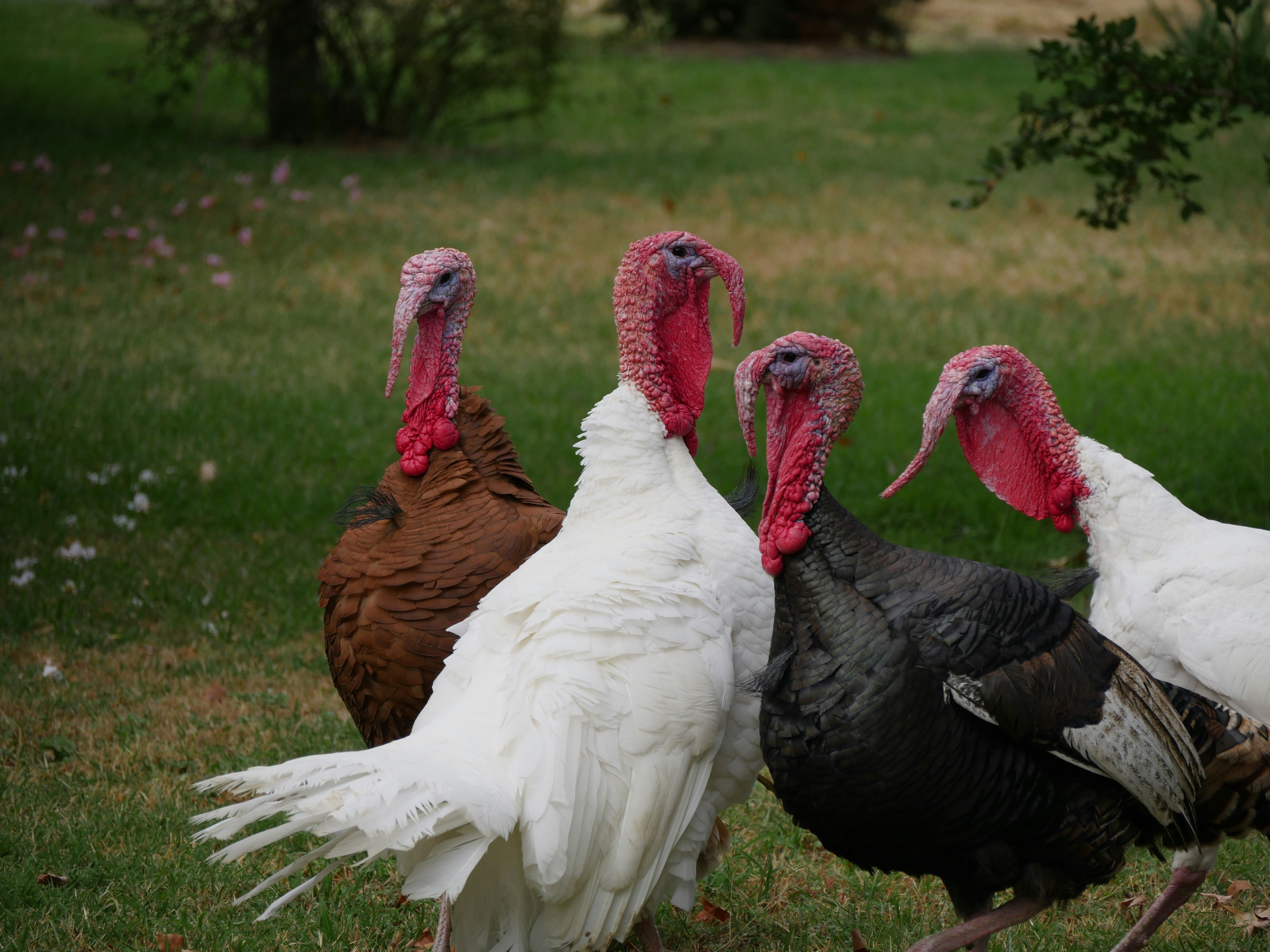
At the HOA meeting, everything is perfectly civilized until someone mentions the color of the shutters. Within minutes, neighbors are flinging insults across the room like seagulls fighting over a French fry. In other words, ils se donnent des noms d'oiseaux. The argument becomes so heated that a pigeon perched on the windowsill looks genuinely offended. It puffs out its chest, ruffles its feathers, and seems to be considering a formal complaint on behalf of the entire bird community.
The French expression donner des noms d'oiseaux à quelqu'un literally means to give someone bird names.
Fortunately, it has nothing to do with ornithology.
It means to insult someone, to call someone names, often in the middle of a heated argument.
Although the expression centers on noms d'oiseaux ("bird names" or insults), you'll hear several verb forms:
- donner des noms d'oiseaux à quelqu'un (to hurl insults at someone)
- se donner des noms d'oiseaux (to trade insults)
- distribuer des noms d'oiseaux (to dish out insults)
Origin
In earlier times, people lived much closer to animals than we do today and observed them daily. Our ancestors looked at a goose and thought, “What a ridiculous creature.” They looked at a peacock and thought, “What a show-off.” They looked at a magpie and thought, “Will that thing ever stop talking?” Before long, the entire aviary had been unwillingly drafted into service as a dictionary of human shortcomings. Somewhere, a committee of birds was probably holding emergency meetings to protest the damage being done to its reputation.
Because people frequently insulted one another by comparing them to birds, donner des noms d’oiseaux gradually came to mean using any kind of insult, whether bird-related or not. Today, the expression rarely refers to actual bird names at all.
But why birds?
Birds were not uniquely targeted. Many animals have traditionally served as metaphors for human virtues and vices in French and other European languages. Medieval bestiaries and fables further reinforced these associations. Writers such as Jean de La Fontaine popularized the idea that animals embodied recognizable human qualities, both good and bad.
Birds simply offered an especially colorful cast of characters because there are so many species with distinctive appearances and behaviors. Whether vain as a peacock, chatty as a magpie, or predatory as a vulture, there always seemed to be a bird ready to lend its name to an insult - whether it approved or not.
Examples
-
Après l’accident, les deux conducteurs se sont donné des noms d’oiseaux pendant cinq minutes.
After the accident, the two drivers called each other every name in the book for five minutes. -
Lors d'une discussion houleuse, les deux amis se sont donné des noms d’oiseaux.
During a heated discussion, the two friends called each other every name in the book.